Winter Roof Snow Removal vs. Waiting It Out: What’s Really Safer for Your Home?
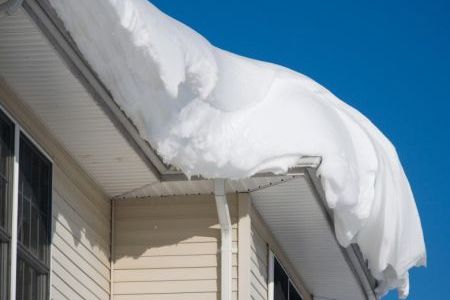
Storm after storm, the piles grow. If you’re wondering whether to wait for a thaw or book roof snow removal, you’re not alone. In New Hampshire, winter roof maintenance is about risk control, not guesswork. This guide explains when waiting becomes unsafe, how timely service helps prevent ice dams, and why choosing Jackson Contracting keeps your home protected all season.
Why Snow Sits Longer in New Hampshire Winters
Our winters bring heavy, wet snow followed by sharp temperature swings. Nor’easters stack fresh layers onto older, compacted snow, and coastal winds push drifts toward eaves and valleys. In the Lakes Region and the White Mountains, daytime thaws often refreeze overnight. That freeze-thaw cycle locks snow in place and expands small gaps around flashing and skylights.
Homes in Manchester, Nashua, Concord, and the Seacoast feel these patterns in different ways. Open exposures collect less evenly, but deeper drifts. Wooded lots keep roofs shaded and colder, so meltwater lingers at the edges. Over time, that pattern sets the stage for ice dams and hidden moisture.
The Real Risks of Waiting It Out
Waiting can feel easier. But the longer heavy snow rests on your roof, the more stress and water movement you invite. Here’s what tends to happen when storms stack up:
- Ice dams form as attic warmth melts the underside of the snow and refreezes at the eaves, trapping water behind the ridge of ice.
- Water backs up under shingles and flashing, leading to stains on ceilings, damp insulation, and peeling paint.
- Gutters and downspouts carry extra weight from snow and ice, which can twist hangers or pull fasteners.
- Wind-driven drifts pile into valleys and against dormers, concentrating weight where your roof is more vulnerable.
Waiting can turn small drifts into leaks that show up weeks later as the sun returns. Even if you cannot see an active leak, moisture can collect in insulation and wood. That trapped moisture affects comfort and can shorten the life of your roof system.
Benefits of Professional Roof Snow Removal
Timely removal is about managing load, melt patterns, and drainage. A trained team understands how to reduce snow evenly so the structure isn’t shocked by sudden weight shifts. They also work around vents, skylights, and valleys where ice hides.
When you schedule snow removal service details with a local crew, you get more than a cleared path. You get eyes on trouble spots before they worsen. That includes eave lines where ice builds, north-facing slopes that hold snow longer, and gutter runs that clog during a quick warm-up.
Professional service helps prevent ice dams by reducing the fuel for melting and refreezing. It also protects shingles and fasteners from prying or chipping. Do not chip or hack at ice dams. That kind of force can damage shingles and flashing, and it often pushes water where it shouldn’t go.
How to Decide When to Act
There isn’t a single answer for every home, roof type, or storm track. Think about timing and patterns rather than inches alone. These signs suggest it’s time to book a service soon:
- Snow remains after a short thaw, and a second storm is in the forecast.
- Icicles are thickening along the eaves, especially above exterior doors and unheated spaces.
- Interior symptoms like faint ceiling stains, musty attic smells, or doors that begin to stick.
- Wind-loaded drifts are stacked in roof valleys or behind chimneys and dormers.
Never climb onto an icy roof. Slips, hidden skylights, and sudden slides can cause serious injury. The safest choice is to schedule a visit before the next round of snow adds more stress.
What About Roof Type, Age, and Home Layout?
Age and design matter. Older homes in Concord or Portsmouth may have charming dormers and low-slope additions that collect more snow. Newer houses with complex layouts have more valleys that trap drifting snow. Metal roofs shed quickly in some conditions, but they can also release large sheets all at once, which is a safety hazard below the eaves.
Brick chimneys, solar panels, and satellite mounts create warm and cool spots. That mix makes uneven melting more likely, which feeds ice dam formation. A professional crew evaluates these details and plans removal so that snow is lowered safely without creating new pressure points on the structure.
Ice Dams: Prevention Starts With Timely Roof Snow Removal in New Hampshire
Ice dams don’t require deep snow, just the right weather swing. When the sun or attic heat melts the underside of the snowpack, water slides down-slope until it hits the colder eave line, then freezes. The next melt has nowhere to go. Timely roof snow removal in New Hampshire breaks that cycle by keeping snow depth in check over the entire roof, not just at the edges.
If you want to read more about seasonal care and what to watch for each month, browse our winter roof maintenance posts. You’ll find practical guidance on how professionals sequence winter roof maintenance services, inspection timing, and how clean roofing and open gutters support better melt patterns.
When broader planning makes sense, it can be helpful to look across your property, from roof to foundation. You can always start at the beginning with roof cleaning excellence in New Hampshire as your focus and build a simple plan for the rest of the season.
“I’ll Wait for a Thaw” vs. “I’ll Schedule Now”
Waiting feels tempting when the forecast hints at the sun. But thaw cycles are short, and water often moves into places you can’t see. Scheduling now gives you control over when and how the load is reduced, and it keeps meltwater moving safely off the roof and into clear downspouts.
Think of it like clearing lanes on a busy road before rush hour. If you reduce the snow evenly, water has a path when temperatures rise for a few hours. If the roof is still packed when that window opens, meltwater flows into bottlenecks near the eaves and freezes again at night.
Schedule before the second storm rolls in. That’s usually when small problems turn into wider ice dams, and when drifts deepen in valleys and around dormers.
Local Winter Patterns to Keep on Your Radar
New Hampshire homeowners see a mix of coastal moisture, inland cold, and mountain wind. That means one neighborhood can be melting while another is refreezing. In the Seacoast towns, ocean air brings heavier snow that compacts faster. In the Merrimack Valley, temperature drops after sunset are sharper and longer, which encourages refreeze at the eaves.
Those shifts make planning important. A professional visit timed between storms often makes a bigger difference than waiting for a perfect thaw that may not last. It also gives you a chance to spot early warning signs on the ground, like ice mounds building over downspouts.
Why Homeowners Choose Jackson Contracting
Local experience matters in a state with hills, ocean winds, and mountain weather. Our crews understand how New Hampshire roofs respond when heavy, wet snow stacks up. We plan the work around your roof style, your attic ventilation and insulation situation, and the shape of your lot. We also watch how the sun hits your home during the day, because that pattern guides safe, even snow reduction.
When storms arrive back-to-back, response time is everything. We prioritize clear communication, safe methods, and careful cleanup around shrubs, walkways, and decks. If you’re eyeing growing icicles or a drift that won’t budge, ask about a visit tailored to your roof and schedule. To get started, learn what’s included in our professional roof snow removal and plan the timing that fits your week.
Signs It’s Time to Book Service This Week
Unsure whether to act now? Use these quick checkpoints to weigh your decision without getting on a ladder:
- Icicles forming above doors you use daily or along long, shaded eaves.
- Drifts that look higher than the surrounding roof, especially near valleys or dormers.
- Ceiling spots that appear after sunny afternoons, then fade a bit overnight.
- Gutter lines that bow under the weight of snow and ice.
None of these requires you to inspect the roof up close. They’re ground-level cues that water isn’t moving the way it should. A quick appointment can interrupt that pattern before the next storm adds more stress.
Ready When the Next Storm Hits
Winter moves fast here. If you’re weighing the safety of waiting versus acting, the safest bet is a planned, professional visit. Call Jackson Contracting at 603-401-8408 to schedule, or book through our roof snow removal page. We’ll help you prevent ice dams, protect shingles, and keep meltwater flowing where it belongs.