How Often Should You Schedule Roof Cleaning in New England’s Climate? A New Hampshire Guide
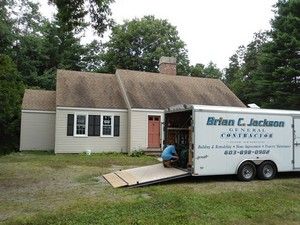
In New England, your roof battles salty coastal air, spring pollen, humid summers, and snowy winters. That mix makes algae, moss, and lichen show up faster than many homeowners expect. If you are wondering how often to plan roof cleaning in New Hampshire, a smart baseline is every 12 to 24 months, adjusted for your roof material and exposure. To protect shingles and keep warranties in good standing, choose gentle methods like non-pressure roof cleaning from a trained team like Jackson Contracting.
Below, you will find a clear schedule, local weather factors that speed up growth, and practical signs that tell you it is time to move your cleaning date forward. No fluff. Just a reliable plan for New Hampshire homes.
What New Hampshire Weather Does To Your Roof
New Hampshire sits squarely in New England’s four-season cycle. Along the Seacoast, salt mist can cling to surfaces and feed organic growth. In the Merrimack Valley and Lakes Region, warm, humid stretches create perfect conditions for algae streaks, especially on north-facing slopes. The White Mountains see heavy snow loads and freeze-thaw cycles that trap moisture under moss and lichen. Maple and pine drop needles and leaves in the fall, holding damp debris against shingles.
All that moisture and organic material gives algae a foothold. As it spreads, it darkens shingles, which absorb more heat and age faster. Moss and lichen lift edges, catch wind, and can invite water under the surface. That is why a planned cleaning schedule matters as much as any other home maintenance you do.
Recommended Roof Cleaning Frequency By Material
Asphalt Shingles
Asphalt shingles are the most common in New Hampshire neighborhoods. With shade or nearby trees, plan a professional cleaning every 12 to 18 months. In open sun with good airflow, 18 to 24 months may be enough. If you notice black streaks returning sooner, move your date up.
Metal Roofs
Metal sheds debris well, but pollen, salt spray, and airborne grime still collect. Light organic film can hold moisture at seams. A 24 to 36 month cleaning cadence works for most homes, sooner if you live near the coast or under heavy tree cover.
Cedar Shakes
Cedar is beautiful and porous. It can host moss easily if shaded. Plan on 12 to 18 months, using gentle, wood-safe cleaning by a specialist. Keeping cedar free of growth preserves its natural drainage and appearance.
Slate, Tile, or Synthetic
These surfaces resist algae better, but joints and overlaps can trap lichen. A 24 to 36 month schedule is typical, adjusted for shade and debris. Always use a non-pressure method to protect fasteners and flashing.
- Live near tall trees, lakes, or streams: clean closer to 12 to 18 months.
- Open sun and steady wind: you may stretch to 18 to 24 months.
- Coastal exposure or heavy pollen zones: plan inspections more often and clean at the first return of streaks.
Signs You Should Move Up Your Roof Cleaning
A calendar is a great start, but your roof will also tell you when it needs attention. Watch for these cues between scheduled visits:
- Dark, wavy streaks on the north or shaded side that were not there last season
- Raised green patches or fuzzy moss at shingle edges
- Flat, crusty lichen spots that cling to granules
- Gutter troughs collecting granules and damp leaf mats
- Persistent damp on lower slopes after sunny days
- Early ice at the eaves after a light freeze, signaling trapped moisture
If you see these signs in late summer or early fall, do not wait until spring. Addressing growth before winter helps prevent moisture from sitting under snow all season.
Non-Pressure Cleaning Versus Pressure Washing
High-pressure roof washing can drive water under shingles, strip granules, and void warranties. A professional non-pressure method targets algae, moss, and lichen while protecting the roof system. It also helps extend the time between visits because the biological growth is treated at the source. If you have been quoted for pressure washing, ask for a soft, non-pressure approach designed for roofs. Avoid pressure washing on shingles or cedar, especially in cold weather.
A Seasonal Plan That Works For New Hampshire Homes
Timing matters in our climate. Spring brings pollen and frequent showers. Summer is warm and humid, especially in shaded neighborhoods. Fall layers leaves and needles on valleys and eaves. Winter adds ice and weight. Work with the weather instead of against it by anchoring your cleaning plan to local seasons.
Late spring through early summer is an excellent window. Pollen has settled, and temperatures allow safe, thorough work. Early fall also works well once leaves start to drop. Clearing organic buildup ahead of winter helps roofs shed snow and ice. Never let heavy moss overwinter on shingles. It holds moisture and can stress the surface during freeze-thaw cycles.
If your home is within a few miles of the Seacoast or backs up to wetlands, expect algae to return sooner. Homes with full sun and wide setbacks tend to stay cleaner longer, but even they benefit from a regular inspection. For most New Hampshire homeowners, the rhythm looks like this: quick visual check each spring and fall, plus a scheduled non-pressure cleaning every 12 to 24 months depending on shade, roof type, and prior growth.
How Scheduling Protects Your Home And Budget
Algae discoloration is more than a cosmetic issue. It traps moisture and speeds up wear on shingles. Moss lifts edges and can create pathways for wind-driven rain. Lichen grips granules and can make the surface more brittle in winter. A planned cleaning keeps these problems from gaining a foothold.
There is also a curb appeal benefit. A clean, bright roof can make siding and trim look newer. Realtors often suggest cleaning ahead of photos or an open house because it shows care and maintenance. Planning your cleaning with the seasons also helps crews work faster and safer, which keeps projects predictable and on schedule.
Homeowners sometimes ask if they should wait until next year to tackle light streaks. In our climate, waiting rarely pays off. Algae grows through warm spells and returns quickly in shade. When in doubt, schedule an evaluation with Jackson Contracting and get a clear yes or no. That way you act early if needed and avoid larger issues later.
Your Best Cadence, Based On Exposure
Every roof is different, but these simple guardrails fit most New Hampshire homes:
- Heavy shade or tree cover: schedule cleaning every 12 to 18 months.
- Mixed sun and shade: plan on 18 to 24 months.
- Open sun with steady airflow: inspect yearly and clean around the 24 month mark.
Roof age matters too. Newer shingles with algae-resistant features still benefit from non-pressure care that keeps growth from getting started. Older roofs often need closer intervals because surface texture and wear can harbor algae. If a storm has blown branches across the roof or deposited seed pods and needles, consider moving up your date and pairing cleaning with a gentle debris removal service.
Why Choose Jackson Contracting For Roof Algae Removal
We focus on safe, proven methods tailored to New Hampshire homes. Our team understands how local weather patterns, from Seacoast fog to inland humidity, affect different roof materials. We recommend a non-pressure approach that protects shingles, flashing, and gutters while removing the growth you can see and the spores you cannot. When you are ready to map out your non-pressure roof cleaning in New Hampshire and set a reliable cadence, our specialists can help you choose the right season for your neighborhood.
If you want to read more about timing and prevention, this guide pairs well with our notes on setting a roof algae removal schedule. You can also explore more about roof cleaning in New Hampshire on our home page to see how the service fits into a year-round maintenance plan for your property.
Putting It All Together: A Simple, Reliable Schedule
Set reminders at the same time each year, just like you would for furnace service or gutter cleaning. Walk your property line on a sunny afternoon, look up from different angles, and note any changes in color or texture. If you see early streaks or green patches, move your cleaning forward. Booking ahead for spring and fall helps you secure prime dates, especially after long wet stretches or during leaf drop when schedules fill fast.
For most New Hampshire homes, this steady routine works well:
- Spring: quick visual check after snowmelt. Note any new streaks or patches.
- Late Spring to Early Summer: schedule a professional non-pressure cleaning if you are at 12 to 24 months or see growth returning.
- Early Fall: clear debris, evaluate shaded slopes, and clean if growth has reappeared before winter.
Sticking to this plan prevents small issues from becoming big ones. It also keeps your home looking cared for, which pays off whether you are staying put or planning to sell in the next few years.
Ready To Protect Your Roof?
Keep your roof strong and clean through every New England season. Call Jackson Contracting at 603-401-8408 to set your schedule, or choose a convenient time using our service page. When you are ready, start here to plan your next visit for professional roof cleaning service that fits New Hampshire's weather and your home’s needs.